
Why Dental Implants Can Fail Years After Placement and How to Reduce the Risk
Quick Answer: Dental implants can fail years after placement because of gum infection, bone loss, poor oral hygiene, teeth grinding, or damage to the crown or implant parts. Smoking, poorly controlled diabetes, and a history of gum disease can also raise the risk. Daily cleaning, regular dental checkups, and early treatment of warning signs help protect an implant and the bone around it.
A dental implant may feel like a natural tooth for years. You can eat your favorite foods, smile with ease, and stop thinking about the gap that once bothered you. Then, one day, you notice bleeding around the implant, a strange taste in your mouth, or a crown that feels loose.
What happened?
Dental implants are made to last, but they are not free from problems. Even an implant that healed well and worked for years can develop issues if the gum tissue, jawbone, or parts that hold the replacement tooth become damaged.
Understanding these risks can help you protect your oral health and know when to seek care. For people researching dental implants Duxbury, knowing how implants can fail is an important part of making informed choices about long-term tooth replacement.
Can a Dental Implant Fail After Years of Working Well?
Yes. A dental implant can develop problems several years after placement, even if it seemed healthy at first.
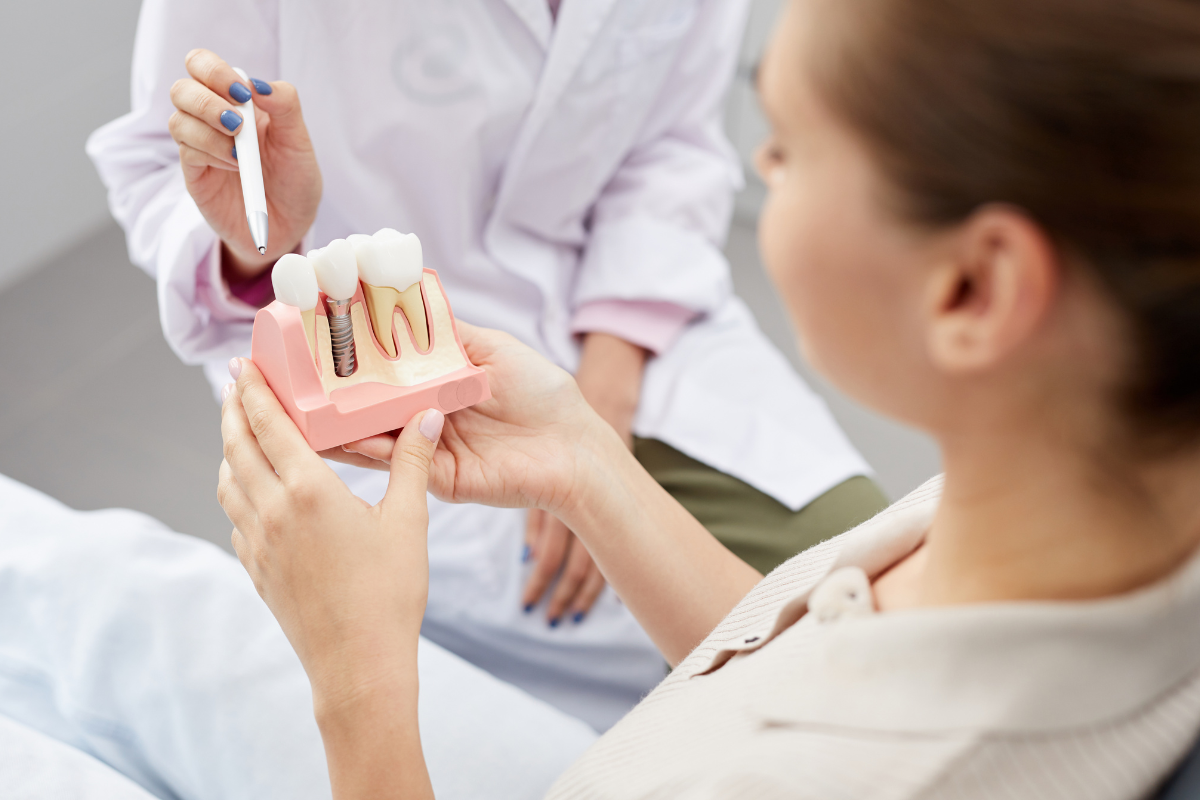
An implant has three main parts:
- Implant post: A small metal post placed in the jawbone to act as an artificial tooth root.
- Abutment: A connector that joins the post to the replacement tooth.
- Crown: The visible tooth that lets you bite and chew.
Each part can develop its own problems. The crown may crack or wear down, a screw may loosen, or the implant may lose support from the surrounding bone.
One common cause of late implant failure is a condition called peri-implantitis. This is an infection that affects the gum and bone around an implant. Without care, it can cause bone loss and make the implant loose.
The important point is that a problem with an implant crown does not always mean the implant itself has failed. A dentist needs to examine the area to find the cause and decide what treatment is needed.
What Causes Dental Implants to Fail Years Later?
Late implant failure rarely has just one possible cause. The risk often comes from a mix of oral health, daily habits, medical conditions, and wear over time.
1. Gum Infection and Bone Loss
Your natural teeth have roots held in place by bone and supported by gum tissue. Dental implants also rely on healthy tissue and bone for stability, but they do not have the same structure as natural teeth.
Plaque can build up around an implant when brushing and cleaning between teeth are not effective. This may cause inflammation in the gum tissue.
In the early stage, the problem may be limited to the soft tissue. If the disease progresses and damages the bone that supports the implant, it becomes more serious.
Watch for these signs:
- Red or swollen gums around the implant
- Bleeding during brushing or flossing
- Pus near the implant
- A bad taste or persistent bad breath
- Gum recession or a change in how the implant looks
Pain may not appear in the early stages. That is why regular dental exams matter, even when your implant feels fine.
2. Poor Oral Hygiene
An implant cannot develop a cavity like a natural tooth, but the tissue around it can still become infected.
Plaque can collect where the crown meets the gum, between an implant and nearby teeth, and beneath some implant-supported restorations. If these areas are not cleaned well, harmful bacteria can build up.
A common mistake is to assume that an implant needs less care than a natural tooth. In reality, it needs daily cleaning and professional monitoring.
3. Teeth Grinding and Clenching
Do you wake up with a sore jaw or a dull headache? Do your teeth touch tightly when you feel stressed?
You may be grinding or clenching your teeth, a habit known as bruxism.
Repeated pressure can place extra stress on an implant crown, its connecting parts, and the surrounding bone. Over time, this force may contribute to worn or cracked restorations, loose screws, or other mechanical problems.
Grinding does not guarantee implant failure, but it is worth discussing with your dentist. Depending on your needs, a custom night guard may help protect your teeth and restorations.
4. Smoking and Certain Health Conditions
The health of your gums and bones affects how well an implant holds up over time.
Smoking can harm gum health and healing. Diabetes that is not well controlled can also raise the risk of infection and healing problems.
A history of gum disease is another important factor. If gum disease has not been brought under control, the same conditions that harmed natural teeth may affect the tissue around an implant.
Tell your dentist about changes in your health, new medicines, smoking habits, and any problems controlling your blood sugar. This information helps your care team assess your risk and plan the right follow-up care.
5. Damage to the Crown or Implant Parts
Sometimes, the implant post remains firmly held in the jawbone, but the crown or a connecting part develops a problem.
For example, you may notice that your crown moves slightly when you chew. A screw may loosen, the crown may crack, or the bite may feel different from before.
Do not ignore these changes or try to tighten or repair the part yourself. A dentist can check whether the issue involves the crown, abutment, implant post, or surrounding bone.
Early repair may prevent added damage and help you avoid more complex treatment.
6. Changes in the Jawbone or Bite
Bone loss can occur around an implant because of infection, changes in gum health, or other local factors. Excess pressure on the implant may also contribute to certain problems.
In some cases, changes in your bite can make one tooth or implant bear more force than it should. A damaged or poorly fitting restoration may also make cleaning harder.
These issues need an individual assessment. A dentist may check your bite, examine the gum tissue, and take dental X-rays when needed to look for bone changes.
Warning Signs You Should Never Ignore
A failing implant does not always cause severe pain. Some people notice small changes first, while others have no clear symptoms until the problem becomes more advanced.
Use this quick checklist to decide when to seek dental care.
| What you notice | What it could mean | What to do |
| Red, swollen, or bleeding gums | Gum inflammation or infection | Arrange a dental exam |
| Pain when chewing | Bite problems, infection, or damage | Get the implant checked |
| A loose crown or implant | A loose screw, damaged crown, or loss of implant support | Contact your dentist promptly |
| Pus or a lasting bad taste | Possible infection | Seek prompt dental care |
| Receding gums near the implant | Changes in the gum tissue or bone support | Schedule an assessment |
| A cracked crown | Damage to the visible restoration | Avoid chewing hard foods on it and arrange a repair |
What if the implant feels fine? Keep your regular dental visits. An implant can develop gum inflammation or bone loss before you notice a problem yourself.
If you have severe swelling, fever, or rapidly worsening pain, seek urgent dental care. Trouble breathing or swallowing requires emergency medical attention.
How to Reduce the Risk of Late Implant Failure
You cannot remove every risk, but you can take practical steps to help protect your implant. These habits matter whether your implant was placed last year or more than a decade ago.
1. Brush Twice a Day and Clean Between Your Teeth
Brush twice daily with a soft-bristled toothbrush and fluoride toothpaste. Clean around the implant crown with care, paying attention to the gumline.
Use dental floss, an implant-safe interdental brush, or another cleaning aid recommended by your dentist. The best tool depends on the shape of your restoration and the space around it.
If you have a bridge or a full-arch implant restoration, ask your dental team how to clean beneath it. Food and plaque can collect in places that a standard toothbrush cannot reach.
2. Keep Regular Dental Checkups
Daily home care is important, but it cannot replace a professional exam.
During an implant check, your dentist may examine the gums, check for bleeding or pockets, assess the crown and its fit, and look for signs of bone loss. Dental X-rays may be needed when symptoms or exam findings suggest a problem.
Your recall schedule should match your needs. People with a history of gum disease, smoking habits, or other risk factors may need more frequent maintenance visits.
3. Get Gum Disease Under Control
If you have bleeding gums, deep gum pockets, or a history of periodontitis, discuss these concerns with your dentist.
Treating active gum disease and keeping it stable can help reduce the risk of problems around an implant. Professional cleaning and a tailored home-care plan are often part of this process.
Wiemeyer Dentistry offers periodontal therapy as part of its broader dental services. The right approach depends on the condition of your gums and the type of implant restoration you have.
4. Avoid Smoking and Get Help With Health Risks
Smoking raises the risk of gum problems and can affect healing. Quitting can support better oral health, even if you have had an implant for years.
If you have diabetes, work with your health care team to keep your blood sugar within your recommended range. Tell your dentist about any major health changes or new medicines, especially those that may affect bone health or healing.
Do not stop prescribed medicine on your own. Ask your doctor or dentist how it may affect your dental care.
5. Protect Your Implant From Excess Pressure
Avoid using your teeth to open packages or bite hard objects such as ice. These habits can damage crowns and other dental work.
If you grind your teeth, ask whether a custom night guard is suitable. Your dentist can also check your bite if chewing feels uneven or if a crown seems to make contact before your other teeth.
6. Act Early When Something Changes
Do not wait for an implant to become loose before seeking care.
Bleeding, swelling, pain, or a change in how your crown fits deserves attention. Early assessment can help identify a problem while treatment may be simpler.
For people who have had an implant for many years, a new dental exam can also establish its current condition and help guide future care.
What Happens When a Dentist Checks a Problem Implant?
The first step is to find out whether the issue affects the crown, the connecting parts, the gum tissue, or the implant itself.
A dental exam may include:
- Reviewing your history: Your dentist asks when the symptoms began and whether you have noticed pain, bleeding, or movement.
- Checking the implant: The dentist examines the crown, nearby gums, bite, and implant stability.
- Taking X-rays when needed: Images can help show changes in the bone around the implant.
- Planning treatment: Care may involve cleaning around the implant, treating gum disease, repairing or replacing the crown, or addressing a more serious loss of support.
Treatment depends on the cause and how much damage has occurred. Some problems can be managed without removing the implant. If the implant has lost too much support or has severe damage, removal may be necessary.
If removal is needed, your dentist can discuss whether bone grafting or a replacement implant may be suitable after the area heals. A new implant is not always the best choice for every patient, so the decision should follow a full assessment.
How Wiemeyer Dentistry Approaches Long-Term Oral Health
Long-term implant care is about more than the replacement tooth. Healthy gums, a stable bite, and regular checks all play a role in keeping your mouth in good shape.
Wiemeyer Dentistry has served the Duxbury community since 1973. The practice offers implant dentistry, periodontal therapy, oral surgery, crowns, bridges, and routine dental care. This range of services supports a broad approach to oral health, from preventive visits to the assessment of damaged teeth and restorations.
Frequently Asked Questions
1. How long can a dental implant last?
A dental implant can last for many years, and some remain functional for decades. Its lifespan depends on factors such as bone health, gum health, daily cleaning, smoking, bite forces, and regular dental care. The crown may need repair or replacement before the implant post does.
2. Can a dental implant become infected after 10 years?
Yes. An implant can develop an infection years after placement. Plaque buildup, a history of gum disease, and gaps in regular maintenance can raise the risk. Early evaluation helps your dentist identify the cause and decide on treatment.
3. Does a loose implant crown mean the implant has failed?
No. A loose crown may be caused by a loose screw, a damaged crown, or a problem with another connecting part. Your dentist needs to check the implant and surrounding bone before deciding whether the implant itself is affected.
4. Can an infected implant be saved?
Sometimes. The outcome depends on the severity of the infection, the amount of bone loss, and the stability of the implant. Early gum inflammation may respond to professional care and better home cleaning. Advanced disease may require surgery or implant removal.
5. How often should I have my implant checked?
Your dentist should set a schedule based on your oral health and risk factors. Some people need more frequent visits, especially if they have a history of gum disease or other concerns. Do not skip routine visits just because the implant feels normal.
6. Can smoking cause a dental implant to fail?
Smoking can increase the risk of gum disease and other implant complications. It can also affect healing. Quitting smoking and keeping up with dental visits can help support better long-term oral health.
7. Can teeth grinding damage an implant?
Yes. Grinding and clenching can put extra force on the crown and connecting parts. This may contribute to wear, cracks, or loose components. Ask your dentist whether a night guard or bite adjustment is suitable for you.
8. What should I do if my implant starts hurting?
Contact your dentist promptly, especially if the pain comes with swelling, bleeding, pus, or movement. Avoid chewing hard foods on that side until you receive advice. Do not try to adjust the implant yourself.
Conclusion: Protect Your Implant With Consistent Care
A dental implant that has worked well for years can still develop problems. Gum infection, bone loss, smoking, teeth grinding, and damage to the crown are among the issues that may affect its long-term health.
The best way to lower your risk is to clean your implant every day, attend regular dental checkups, manage health conditions, and seek care when something changes. You do not need to wait for pain or looseness before asking for help.
If you have concerns about an older implant, Wiemeyer Dentistry can be a local starting point for discussing your oral health and available care options. Patients seeking information about dental implants Duxbury can review the practice’s services and request an appointment for an assessment tailored to their needs.
Visit the appointment request page to arrange a visit or discuss your concerns with the team.
