
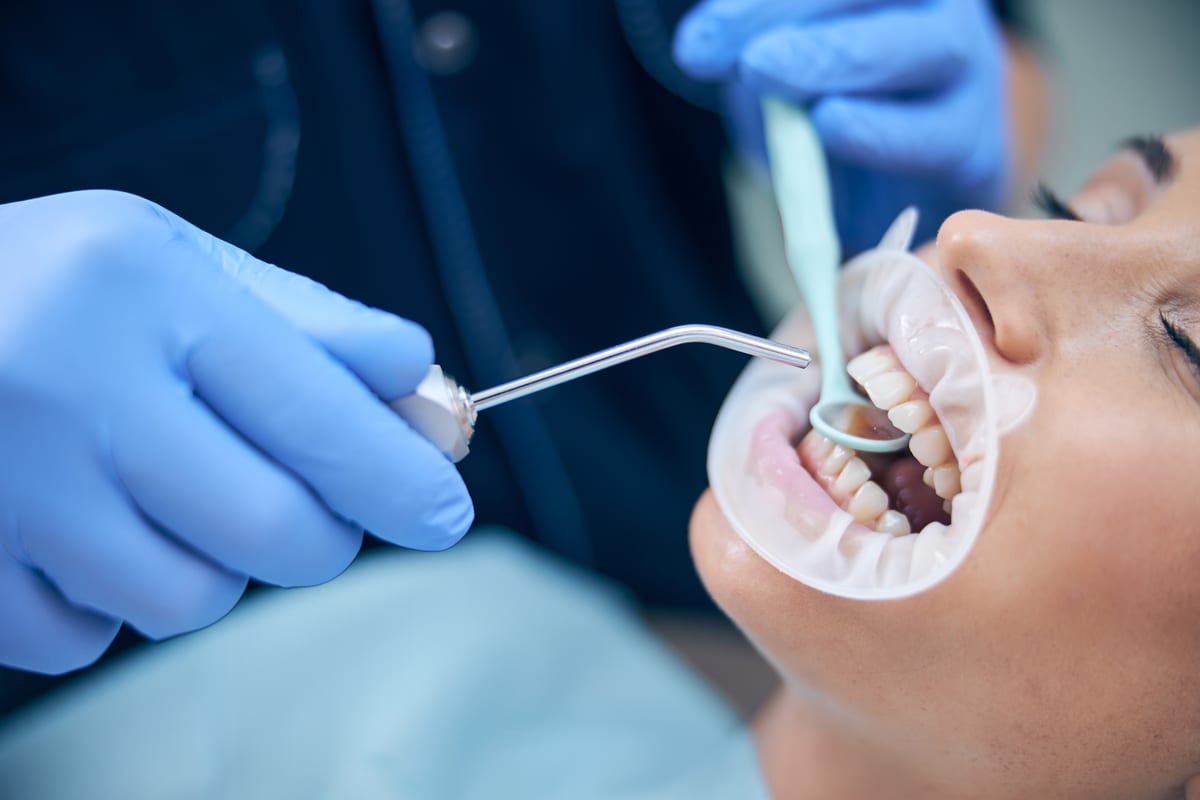
What Happens During Periodontal Treatment: A Step-by-Step Patient Guide
If you’ve been told you need periodontal treatment, it’s completely normal to feel uncertain about what comes next. Understanding what happens during periodontal treatment — a step-by-step patient guide for Duxbury residents — can ease that anxiety significantly. At Wiemeyer Dentistry, Dr. Sean O’Brien and his team take time to explain every stage of care. You will never feel rushed or left in the dark during your treatment journey.
What Is Periodontal Disease and Why Does Treatment Matter?
Periodontal disease is an infection of the gums and supporting bone around your teeth. It starts as gingivitis but can progress to serious bone loss if left untreated. Many Duxbury patients are surprised to learn how common this condition actually is. The good news is that modern periodontal care is highly effective when started early.
Left untreated, gum disease can lead to tooth loss and systemic health complications. Research has linked severe gum disease to heart disease, diabetes, and respiratory issues. Treating it isn’t just about your smile — it’s about your overall health. Dr. O’Brien approaches periodontal care with that full-picture mindset.
Here are some warning signs that you may need periodontal care:
- Gums that bleed when you brush or floss
- Red, swollen, or tender gum tissue
- Gums that appear to be pulling away from teeth
- Persistent bad breath that doesn’t improve with brushing
- Teeth that feel loose or have shifted position
Step-by-Step: What Happens During Your First Periodontal Visit in Duxbury
Your first appointment focuses entirely on assessment and planning. Dr. O’Brien will review your medical history and ask about any symptoms you’ve been experiencing. He’ll also take a close look at your gum tissue, checking for inflammation, recession, and bleeding points. This initial conversation helps establish a baseline for your care.
Next, the team performs a periodontal probing. A small, painless instrument measures the depth of the pockets between your gums and teeth. Healthy pockets measure between one and three millimeters. Deeper pockets indicate disease progression and guide the treatment plan.
Digital X-rays are usually taken during this visit as well. These images reveal bone levels beneath the gumline that aren’t visible to the naked eye. The full picture — probing depths plus imaging — tells Dr. O’Brien exactly what stage of disease you’re dealing with. From there, he designs a personalized care plan tailored to your needs.
Scaling and Root Planing: The Core of Periodontal Treatment
Scaling and root planing is the most common non-surgical periodontal treatment. It is sometimes called a deep cleaning, though it goes far beyond a standard cleaning appointment. The procedure removes hardened tartar — called calculus — from below the gumline. It also smooths the root surfaces so gum tissue can reattach more easily.
Most patients receive a local anesthetic before this procedure begins. You’ll feel pressure and movement, but you should not feel sharp pain. Dr. O’Brien’s team works in quadrants, treating one section of your mouth at a time. This approach keeps each appointment manageable and allows your gums to begin healing progressively.
Here is what the scaling and root planing process looks like, step by step:
- Anesthetic application: A topical numbing gel is applied first, followed by a local injection for deeper comfort.
- Scaling: Ultrasonic and hand instruments remove tartar from above and below the gumline.
- Root planing: The tooth root surface is carefully smoothed to discourage future bacterial buildup.
- Irrigation: An antimicrobial rinse flushes the pocket to reduce bacteria immediately.
- Post-procedure review: Dr. O’Brien reviews home care instructions before you leave.
Most patients find the procedure far more comfortable than they anticipated. Some mild soreness and sensitivity may follow for a day or two. Over-the-counter pain relievers usually manage any discomfort effectively. Your gum tissue will begin looking healthier within a few weeks.
What Happens After Scaling and Root Planing: Monitoring and Maintenance
The work doesn’t end when you leave the chair. Your follow-up visit — typically scheduled four to six weeks later — is just as important as the initial treatment. Dr. O’Brien re-evaluates your pocket depths and tissue health at this appointment. The goal is to confirm that your gums are responding positively to treatment.
Many patients show significant improvement after one round of scaling and root planing. Pocket depths often decrease, and gum tissue becomes firmer and less inflamed. In some cases, additional treatment sessions may be recommended. This depends entirely on how your body responds and how advanced the disease was at the start.
Once your gums are stable, you’ll transition to a periodontal maintenance schedule. This typically means returning every three to four months rather than the standard six-month interval. These maintenance visits keep bacterial levels controlled and catch any signs of recurrence early. Staying consistent with these appointments is one of the most important things you can do for your long-term oral health.
We also want to make ongoing dental care as accessible as possible for our Duxbury patients. Ask our team about Our Dental Savings Plan Duxbury to learn how you can keep up with routine and specialty care affordably. Consistency in care leads to the best long-term outcomes for periodontal patients.
How Wiemeyer Dentistry Keeps You Comfortable Throughout Treatment
We understand that dental anxiety is real, especially when treatment involves multiple visits. Dr. O’Brien and his team prioritize your comfort at every stage. You can always ask questions, request a break, or signal that you need a moment. No one at Wiemeyer Dentistry will ever rush you through care.
The office environment itself is designed to feel calm and welcoming. Our team explains what they’re doing before they do it, so there are no surprises. Local anesthesia is used whenever it adds to your comfort, and you can always discuss sedation options if anxiety is a concern. Your experience matters as much as your clinical outcome.
Communication is a cornerstone of care at our Duxbury practice. Dr. O’Brien personally reviews findings with you and answers every question thoroughly. You’ll leave each appointment knowing exactly where you stand and what comes next. That transparency builds trust and confidence in your treatment plan.
Taking the Next Step Toward Healthier Gums in Duxbury
Periodontal treatment can feel overwhelming at first, but knowledge is genuinely powerful. Now that you understand what happens during periodontal treatment — the assessments, the deep cleaning, and the follow-up care — the process should feel far less intimidating. Dr. Sean O’Brien and the Wiemeyer Dentistry team are here to guide you through every single step with compassion and expertise.
Healthy gums are the foundation of a healthy mouth. Taking action now protects both your teeth and your overall wellbeing. Don’t let uncertainty keep you from the care you deserve. Ready to get started? Book Now to schedule your appointment with our team.
Frequently Asked Questions
Is periodontal treatment painful?
Most patients experience little to no discomfort during treatment because local anesthesia is used. You may feel pressure and movement, but sharp pain is not typical. After the procedure, mild soreness for one to two days is normal and usually manageable with over-the-counter pain relievers.
How many appointments does periodontal treatment take?
The number of appointments depends on the severity of your gum disease. Scaling and root planing is often completed in two to four visits, treating one section of the mouth at a time. A follow-up evaluation is scheduled four to six weeks after treatment to assess your healing progress.
Can gum disease come back after treatment?
Yes, gum disease can recur if home care and maintenance visits are not kept up consistently. That is why Dr. O’Brien recommends transitioning to a three- to four-month periodontal maintenance schedule after active treatment. Regular monitoring is the most effective way to prevent recurrence.
How do I schedule periodontal care at Wiemeyer Dentistry in Duxbury?
Scheduling is simple and convenient. You can visit our Appointments Duxbury page to request your visit online. Dr. O’Brien and our team will confirm your appointment and answer any questions you have before you arrive.
Will I need surgery for gum disease?
Not necessarily. Many cases of gum disease respond very well to non-surgical scaling and root planing. Surgery is typically only considered when pockets remain too deep after non-surgical treatment has been completed. Dr. O’Brien always explores the least invasive options first before recommending surgical care.
