
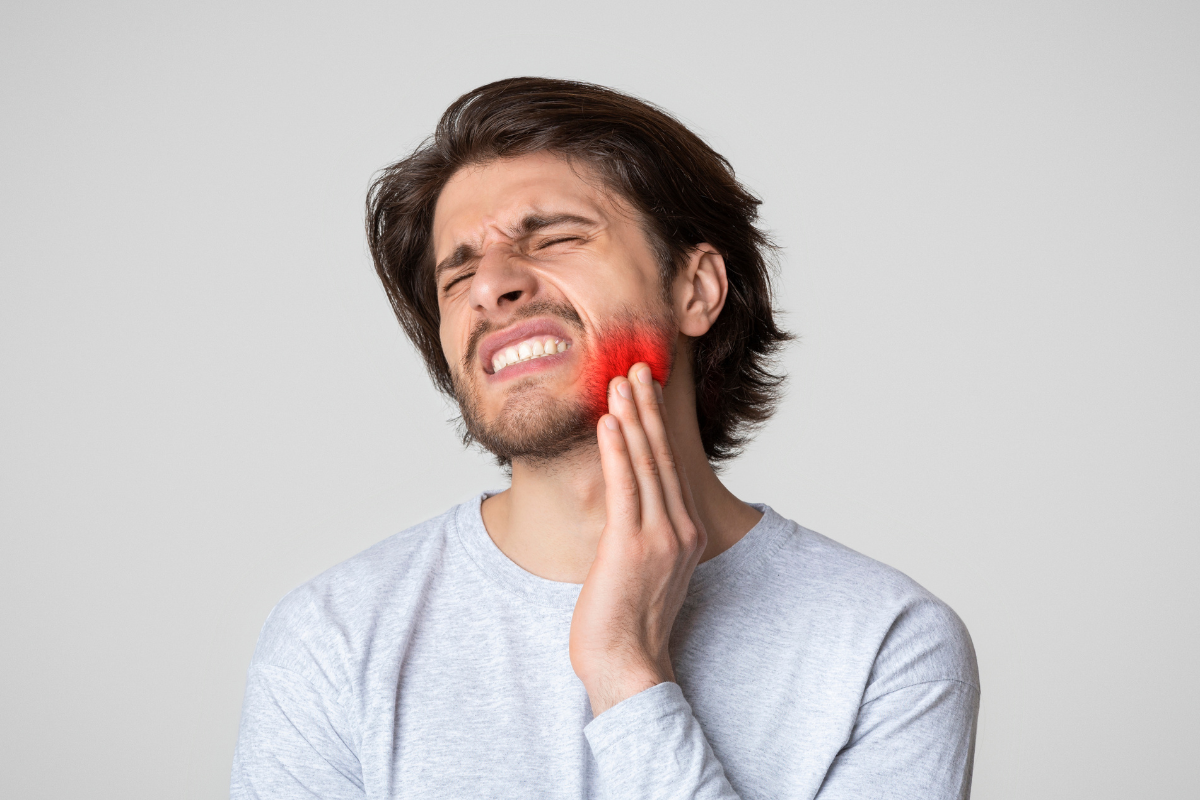
Why One Side of Your Jaw Hurts More Than the Other
You reach for your morning coffee, take a bite of toast, and there it is. A dull ache on the right side of your jaw, but nothing on the left. It is a strange, annoying feeling, and it makes you wonder what is going on inside your mouth. If you have been searching for a dentist in duxbury who can explain this and fix it, you are already asking the right question. One-sided jaw pain almost always has a clear cause, and once you know what to look for, the path to relief gets a lot shorter.
This guide walks through the most common reasons one side of your jaw hurts more than the other, what the pain might be telling you, and when it is time to get it checked out. Plenty of local patients search for a duxbury dentist for this exact reason, and we will also share how our team at Wiemeyer Dentistry approaches jaw pain, so you know what to expect before you ever sit in the chair.
What Does One-Sided Jaw Pain Actually Mean?
Jaw pain on just one side is your body’s way of pointing to a specific spot that needs attention. Pain that shows up on both sides tends to point toward habits like grinding or clenching, since those affect the whole jaw evenly. Pain on a single side usually means something local is going on there: a tooth, a joint, a muscle, or even a sinus.
The jaw joint, known as the temporomandibular joint or TMJ, sits just in front of each ear. You have one on each side, and they do not always act as a matched pair. One joint can be more stressed than the other because of how you chew, how you sleep, or an old injury you barely remember. That is why the pain often feels lopsided even though your jaw looks the same on both sides.
Common Reasons Behind Jaw Pain on One Side
TMJ Disorder
TMJ disorder is one of the top reasons people come in with pain limited to one side. It can cause clicking, popping, or a tight feeling when you open your mouth wide. Stress, teeth grinding, and even poor posture can put extra strain on one joint more than the other.
A Problem Tooth
A cracked tooth, a deep cavity, or an infection near the tooth root can send pain straight to the jaw on that side. This kind of pain often gets worse with hot or cold food, or when you bite down. It rarely goes away on its own and tends to spread if it is left untreated.
Sinus Pressure
Your upper back teeth sit close to your sinuses. When a sinus infection flares up on one side, the pressure can feel exactly like a toothache or jaw ache in that area. This is a common mix-up, and it is one reason a dental exam is useful even when you suspect a sinus issue.
Teeth Grinding or Clenching
Many people grind their teeth without knowing it, usually at night. If you tend to favor one side while chewing or clenching, that side takes on more wear and more pain.
An Old Injury
A fall, a sports hit, or even a hard bite on something unexpected can leave lasting soreness on one side of the jaw, sometimes showing up weeks or months later.
Jaw Pain Symptom Comparison Chart
Here is a quick way to match your symptoms to a likely cause. This is a starting point, not a diagnosis.
| Symptom | Likely Cause | What Usually Helps |
| Clicking or popping when opening mouth | TMJ disorder | Mouthguard, warm compress, exam |
| Sharp pain when biting down | Cracked or infected tooth | Dental exam and X-ray |
| Pressure under one cheekbone, worse leaning forward | Sinus issue | See a doctor and a dentist to rule out tooth cause |
| Sore jaw muscle in the morning | Grinding at night | Night guard, stress relief |
| Pain after a fall or hit to the face | Jaw injury | Prompt evaluation, imaging if needed |
| Swelling and warmth on one side | Infection | Same-day dental visit |
When One-Sided Jaw Pain Needs Prompt Care
Most jaw pain is manageable and not an emergency, but some signs mean you should not wait. Swelling on one side of the face, a fever, trouble opening your mouth fully, or pain that keeps you up at night are all reasons to call a dentist right away. A trusted duxbury dentist can tell the difference between a minor ache and something that needs urgent treatment, which saves you both worry and time.
According to the American Dental Association, TMJ disorders are one of the most common causes of chronic jaw pain, and early evaluation tends to lead to simpler, less invasive treatment. The National Institute of Dental and Craniofacial Research also notes that jaw pain can stem from several different sources, which is exactly why a proper exam matters before jumping to conclusions.
How We Get to the Bottom of Your Jaw Pain
When a patient comes to us with pain on one side, our first step is always to listen. We ask when it started, what makes it worse, and whether it is tied to chewing, stress, or sleep. From there, we do a full exam of the teeth, gums, and jaw joint, often paired with digital X-rays to spot anything hiding below the surface.
As a dentist in Duxbury who has treated this exact issue for years, our team looks past the obvious symptom to find the real source. Sometimes the fix is as simple as a custom night guard. Other times it means treating a cracked tooth or referring you for imaging if the joint itself needs a closer look. You can see the full range of care we offer on our services page.
Know Our Dentists
Wiemeyer Dentistry has served Duxbury families since 1973, and our team brings decades of combined experience to every visit.
Dr. Andrew Wiemeyer leads the practice today. He graduated from the University of Connecticut School of Dental Medicine in 1998 and completed a three-year residency in prosthodontics. He joined his father’s practice in 2001 and has expertise in cosmetic dentistry, implants, crowns, and dentures. He is a member of the American Dental Association and the American College of Prosthodontists.
Dr. Amy Ferson earned her degree from the University of Connecticut School of Dental Medicine in 2001 after completing her undergraduate studies at the College of the Holy Cross. Her focus areas include occlusion, TMJ care, and Invisalign, which makes her a strong resource for patients dealing with jaw pain. She grew up in Duxbury and is active in the local community.
Dr. Sean O’Brien earned his degree from the University of Connecticut School of Dental Medicine in 2015 after completing his undergraduate work at Bates College. He is known for taking time with patients and explaining treatment in plain, clear language.
Dr. J. Devon Lutz rounds out our team of general dentists, bringing steady, thorough care to routine checkups and more involved treatment alike.
Dr. Joann Mangano received her degree from Tufts University School of Dental Medicine in 2015 and was recognized with the Dean’s Research Honors Scholarship for her work at the Center for Integrated Tissue Engineering. She focuses on building a comfortable, low-stress visit for every patient.
Together, this team makes Wiemeyer Dentistry a dependable choice whenever you search for a dentist in Duxbury who treats jaw pain with real care and attention.
Our Patients’ Review
Reviews from real patients often explain a practice better than any description can.
“Dr. Ferson figured out in one visit what two other offices could not. My jaw pain had been on and off for months, and she took the time to actually look at my bite and how I was clenching at night. The night guard she made has cut my pain down to almost nothing. The whole staff is warm and never rushes you through.” ★★★★★ — (Marie T.)
Feedback like this reflects how our team approaches jaw pain: slow down, listen first, and treat the actual cause rather than just the symptom.
Simple Ways to Ease Jaw Pain at Home
While you wait for your appointment, a few small habits can bring some relief. Try eating softer foods for a few days to give the joint a break. A warm, damp cloth held against the sore side for ten minutes can loosen tight muscles. Avoid chewing gum, which keeps the joint working overtime. And try to notice when you clench, whether at your desk or before bed, since simply catching the habit can reduce strain.
Frequently Asked Questions
- Can stress alone cause jaw pain on one side?
Yes. Stress often leads to clenching, and many people clench harder on one side without realizing it.
- Should I go to a doctor or a dental office first?
Start with a dental exam. Many causes, including tooth and joint issues, are dental in nature, and a dentist can also spot signs that point toward a medical cause like a sinus problem.
- Is jaw pain on one side always related to TMJ?
No. Tooth problems, sinus pressure, and old injuries can all cause pain that feels identical to a joint issue.
- How long should I wait before seeing someone about jaw pain?
If the pain lasts more than a few days, gets worse, or comes with swelling, it is time to schedule a visit.
- Can a night guard really help with one-sided pain?
Yes, for many patients a custom night guard reduces the pressure that causes uneven wear and pain.
- Does jaw pain ever mean a tooth needs a root canal?
It can. An infected or badly cracked tooth can cause pain that radiates through the jaw, and treatment depends on how far the damage has spread.
- Will jaw pain go away without treatment?
Sometimes minor soreness fades on its own, but ongoing or worsening pain usually needs an exam to find and treat the cause.
- Is it normal for jaw pain to move around or change sides?
It can happen, especially with grinding habits, but any pain that shifts or spreads is worth mentioning at your next visit.
Ready to Get Answers?
One-sided jaw pain does not have to be a mystery you live with. Whether it turns out to be a tooth, a tight joint, or a grinding habit, the sooner you get it checked, the easier it usually is to fix. Our team welcomes new and returning patients from Duxbury and nearby towns like Kingston, Plymouth, Pembroke, Marshfield, Hingham, and Cohasset.
If you have been putting off finding a dentist in duxbury to look at your jaw pain, this is a good time to stop waiting. As your local duxbury dentist, we are ready to listen, examine, and build a plan that actually fits your life. Request your appointment today and let’s get your jaw feeling normal again.
