
How Dentistry Is Becoming More Comfortable for Patients in 2026
Dental visits used to mean a loud drill, a stiff wait, and a bit of dread on the drive over. That picture is fading fast. A modern dentist in duxbury now has tools, technology, and a way of caring for patients that feels almost nothing like the dental office of twenty years ago. Even a simple search for a dentist near me today turns up practices built around comfort first, not just treatment. If you have stayed away from the chair because of old memories, 2026 is a good year to give it another look.
This article covers the real changes happening in dental care right now, why they matter, and how they show up in daily visits. No sales pitch, just a clear look at what comfort-focused dentistry actually means today.
Why Comfort Became a Priority in Dental Care
For years, dental offices focused mostly on fixing problems. Comfort was a nice extra, not the main goal. That has shifted. Research from the National Institutes of Health shows that a large share of adults report some level of dental anxiety, and that fear keeps many people from getting care until a small issue turns serious. Practices have taken notice, and patient comfort is now treated as part of good clinical care, not an afterthought.
This shift shows up in small details and big ones, from the sound of the tools to the way appointments get booked.
Quieter Tools Are Replacing the Old Drill
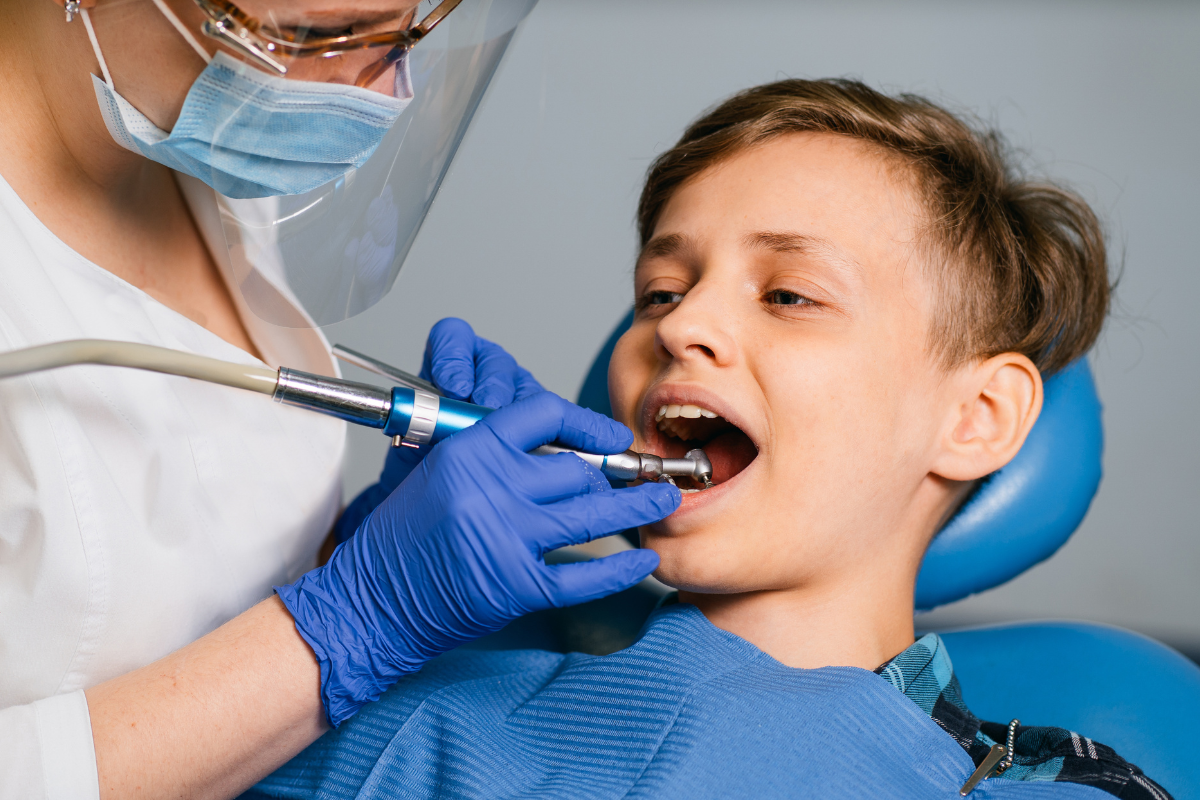
The classic whirring drill sound is one of the biggest triggers for dental anxiety. Newer electric handpieces run smoother and quieter than air-driven drills, cutting down both the noise and the vibration a patient feels. Ultrasonic scalers used for cleanings work the same way. They use gentle high-frequency vibration to clear plaque and tartar, which feels far less scratchy than older hand tools.
For patients who flinch at the sound alone, this change makes a real difference before any actual treatment even begins.
Gentler Numbing and Pain Control
Needles rank near the top of most people’s dental fears. Modern injection systems deliver anesthetic slowly and steadily, which reduces the pressure and sting patients used to feel. Many offices also apply topical numbing gel first, so the skin is already numb before the needle touches it.
Sedation options have expanded as well. Nitrous oxide remains a common, safe choice for adults who want to relax during a procedure without full sedation. For patients with higher anxiety, some practices offer additional levels of sedation under close monitoring, always tailored to each person’s health history.
Digital Imaging That Feels Less Invasive
Old-style X-rays meant biting down on a stiff piece of film and waiting for results. Digital X-rays and intraoral scanners have replaced much of that process. They work faster, use less radiation, and often feel more comfortable in the mouth. Patients can also see their own scans on a screen in real time, which turns a confusing process into something they can actually understand.
This kind of visible, shared information builds trust between a patient and their care team, something that matters as much as the technology itself.
Clear Communication and Upfront Planning
Comfort is not only physical. Not knowing what a procedure will cost, or what will happen step by step, causes its own kind of stress. More dental offices now provide written treatment plans before starting work, along with a clear breakdown of costs and insurance coverage. Digital consent forms and pre-visit information sheets let patients read through details at home instead of rushing through paperwork in the waiting room.
This kind of transparency turns an unknown situation into one with far fewer surprises, which lowers stress for most patients before they even sit in the chair.
Easier Scheduling and Fewer Hassles
Booking a dental visit used to mean a phone call during work hours and a long hold. Online scheduling tools now let patients pick a time that fits their life, day or night. Automated reminders cut down on missed appointments, and many offices offer early morning or same-day slots for urgent needs.
A dentist near me search today often leads straight to online booking, which removes one more barrier between a patient and the care they need.
Comfort Trends at a Glance
| Old Approach | 2026 Comfort Upgrade | Patient Benefit |
| Air-driven drills | Quiet electric handpieces | Less noise, less vibration |
| Fast, sharp injections | Slow-delivery anesthetic systems | Reduced pain and pressure |
| Film X-rays | Digital scanners and imaging | Faster, more comfortable scans |
| Verbal cost estimates | Written treatment plans | Clear expectations, fewer surprises |
| Phone-only booking | Online scheduling and reminders | Convenience and flexibility |
What This Means for Families in Duxbury
Local families searching for a reliable dentist in duxbury now have access to the same comfort-driven advances found in larger cities, without the long drive. Whether it is a child’s first cleaning or a parent catching up on years of missed checkups, these tools make every visit a little easier on everyone involved.
At Wiemeyer Dentistry, this kind of patient-first care has always been part of the practice, long before comfort became a national trend.
Know Our Doctors
Dr. Peter Wiemeyer founded the practice back in 1973 and set the tone that still guides it today: honest, unhurried care from people who know your name. His long history in the Duxbury community shaped the practice into a trusted local fixture.
Dr. Andrew (Andy) Wiemeyer trained in prosthodontics at the University of Connecticut School of Dental Medicine and later took over the practice from his father. He focuses on implant dentistry, crowns, bridges, and full smile reconstruction, and he has brought digital scanning and modern imaging into everyday use at the office.
Dr. Amy Ferson is known for her calm, patient chairside manner, especially with people who feel nervous walking through the door. She takes time to explain each step before it happens, which helps ease first-visit worries.
Dr. Joann Mangano earned her degree from Tufts University School of Dental Medicine and completed additional training in general dentistry. As a longtime Duxbury person herself, she brings a genuine, local understanding to the care she provides.
This team blends decades of hands-on experience with newer training, which means patients get both steady clinical judgment and current, comfort-focused techniques in the same office.
What Patients Say
Our Patients Review
Reviews from real patients often say more about a practice than any website ever could.
“I hadn’t had a cleaning in over three years because I always dreaded the noise and the wait. This visit was completely different. The hygienist used a quiet ultrasonic tool that barely made a sound, and Dr. Andrew Wiemeyer walked me through my scan on the screen so I actually understood what he was looking at. Nothing felt rushed, and I left without any of the usual soreness I remembered from past visits. I finally don’t dread going back.”
★★★★★ — (Jason T.)
Feedback like this shows exactly how small changes in tools and communication add up to a much easier visit, especially for patients who have been away from care for a while.
Taking the Next Step Toward Easier Dental Care
You do not need to overhaul your whole routine to benefit from these changes. A single visit with a comfort-focused team can show you how different modern dentistry feels compared to what you remember. A trustworthy dentist in Duxbury will walk you through every option, answer your questions honestly, and never rush you into a decision.
For families searching for a dentist near me across the South Shore, including Kingston, Pembroke, Marshfield, and Hingham, this kind of patient-first approach is worth the short drive. Comfortable dentistry is not a passing trend. It is quickly becoming the standard patients should expect from every visit.
Frequently Asked Questions
- Are the newer dental tools actually less painful, or does it just feel that way?
Both. Slower-delivery anesthetic systems reduce the pressure patients feel during injections, and quieter tools cut down on the vibration that often triggers discomfort, so the improvement is real, not just perception.
- Is sedation available for routine cleanings, not just major procedures?
Yes, many offices offer light sedation options like nitrous oxide for any appointment, including simple cleanings, for patients who want extra ease.
- How long does a digital scan take compared to old X-rays?
Digital scans are typically much faster, often just a few seconds per image, and results appear on screen right away instead of requiring separate processing time.
- Will online booking work for urgent dental issues too?
Most practices reserve certain slots for same-day or urgent needs, so online systems often show available emergency times alongside routine appointment options.
- Do children benefit from these comfort upgrades as well?
Yes, quieter tools and clear, simple explanations tend to help nervous young patients just as much as adults, sometimes even more.
- What if I still feel anxious even with these new tools?
Share your concerns openly with your care team before treatment starts. A good office will adjust pacing, add breaks, or offer sedation based on what you need.
- Does a written treatment plan cost extra to receive?
No, most offices provide this as a standard part of your visit, at no added cost, so you know what to expect before agreeing to any procedure.
- How often should I schedule checkups if I have been away for years?
Start with a full exam and cleaning, and your provider will recommend a follow-up schedule based on what they find, often adjusting frequency as your oral health improves.
Ready for a More Comfortable Visit?
Modern dentistry has changed more in the last few years than most people realize. If old memories have kept you away, now is a good time to experience the difference for yourself. Browse our full dental services or schedule your appointment with Wiemeyer Dentistry today, and see how comfortable dental care can really be.
For more research-based information on dental anxiety and oral health, the National Institutes of Health and the American Dental Association offer trusted resources for patients.
