
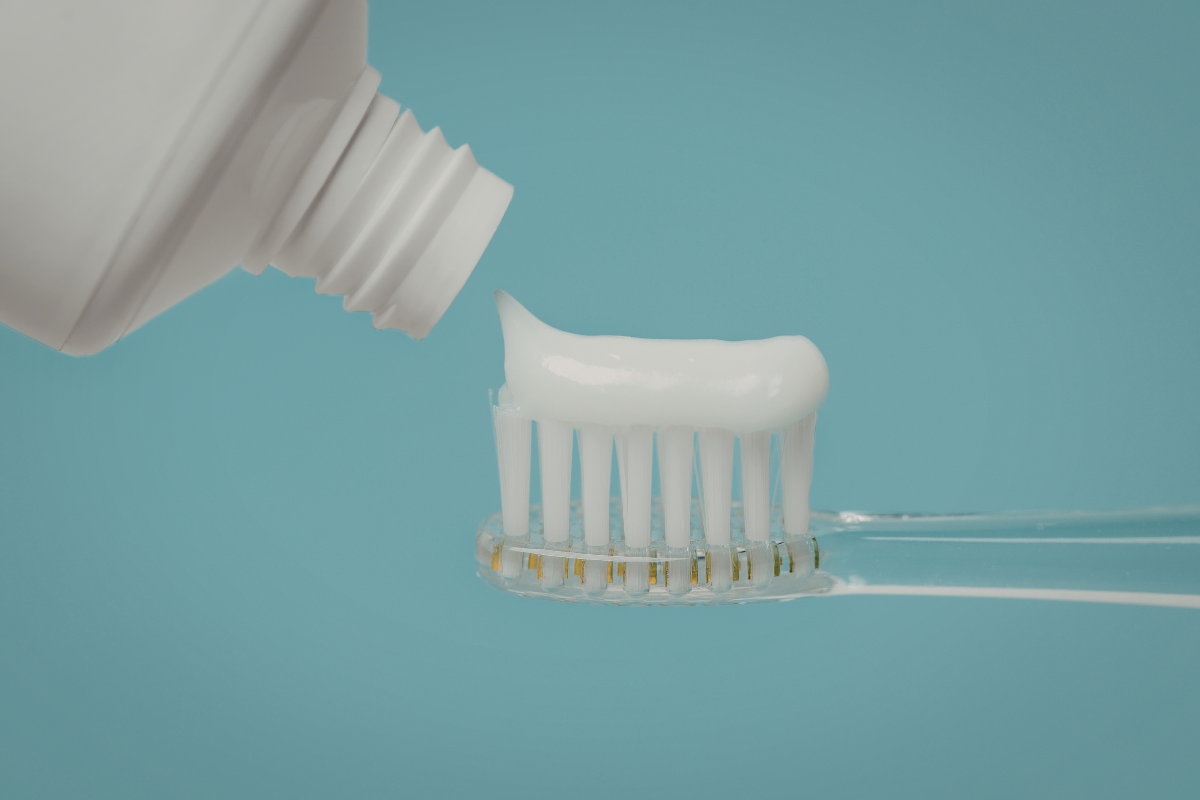
Natural Toothpaste vs Fluoride Toothpaste: What’s Safer?
Walk into any drugstore today and you’ll find rows of toothpaste options. Some promise a “natural” formula with herbal ingredients. Others contain fluoride, which dentists have recommended for decades. So which one should you pick for your family?
If you’ve ever asked a dentist in Duxbury which toothpaste is actually better, you’ve probably heard that the answer isn’t as simple as the labels make it seem. Walk into any drugstore today and you’ll find rows of options.
If you’ve ever stood in that aisle feeling confused, you’re not alone. Let’s break it down clearly so you can make a smart choice for your oral health.
What Is Fluoride Toothpaste?
Fluoride is a naturally occurring mineral found in soil, water, and many foods. Fluoride toothpaste uses this mineral to strengthen tooth enamel and prevent cavities. It works by replacing minerals lost when acid attacks your teeth and making the enamel more resistant to future damage.
The American Dental Association (ADA) recommends fluoride toothpaste for both adults and children. Decades of research support its safety and effectiveness when used correctly.
Common fluoride toothpastes include well-known brands you’ll find at any pharmacy or grocery store across the country.
What Is Natural Toothpaste?
Natural toothpaste avoids synthetic chemicals and often skips fluoride entirely. These products typically contain ingredients like:
- Baking soda
- Activated charcoal
- Coconut oil
- Essential oils (like peppermint or clove)
- Xylitol (a natural sugar alcohol)
- Herbal extracts
Many people choose natural toothpaste because they want fewer chemicals in their daily routine or have concerns about swallowing fluoride, especially for young children.
The Safety Debate: Breaking It Down
Is Fluoride Actually Dangerous?
This is the big question. Fluoride is safe at the levels found in toothpaste. The concentration in standard toothpaste (around 1,000 to 1,500 ppm) is well within safe limits confirmed by health authorities worldwide.
The concern some people raise is dental fluorosis, which causes white spots or streaks on teeth in young children who swallow too much toothpaste. This is why children under three should only use a rice-grain-sized amount, and children three to six should use a pea-sized amount, with adult supervision.
Fluorosis is mostly cosmetic and happens only during tooth development. It does not weaken teeth or cause health problems.
For adults, fluoride toothpaste is safe to use daily without concern.
Are Natural Toothpastes Actually Safe?
Most natural toothpastes are safe to use. However, “natural” does not automatically mean more effective. Here’s the honest breakdown:
Activated charcoal: May whiten teeth slightly but is abrasive. Regular use can wear down enamel over time.
Coconut oil: Has antimicrobial properties but no solid evidence it prevents cavities on its own.
Baking soda: Mild abrasive that helps clean teeth. Some studies show it reduces plaque.
Xylitol: Has real evidence supporting cavity prevention. It disrupts the bacteria that cause tooth decay.
The concern with many natural toothpastes is that without fluoride, they may not fully protect against cavities, especially in areas where the water is not fluoridated or for people at high cavity risk.
Who Should Choose Which?
Fluoride Toothpaste Works Best For:
- Adults and children at average to high risk for cavities
- People living in areas without fluoridated water
- Anyone with a history of tooth decay
- Those with dry mouth or other conditions that raise cavity risk
Natural Toothpaste May Be Suitable For:
- Adults with very low cavity risk and strong oral hygiene habits
- People with sensitivity to certain chemical ingredients
- Those who prefer a cleaner ingredient list as a personal choice
A dentist near me or in your area can review your specific dental history and tell you which type fits your needs best. There is no one-size-fits-all answer here, but professional guidance matters a lot.
What the Research Actually Says
Fluoride toothpaste has over 70 years of research backing its effectiveness. It is one of the most studied topics in dental science. Numerous clinical studies confirm it reduces cavities by up to 25% compared to non-fluoride options.
Natural toothpastes are newer to the market and have far less research behind them. Some ingredients like xylitol do show real promise in studies. Others like charcoal or herbal blends have mixed or limited evidence.
The takeaway: fluoride still leads in clinical proof. Natural options can complement good habits but should not be seen as full replacements unless you’re working closely with your dental provider.
Local Considerations for Duxbury, MA Residents
Duxbury, MA, and the surrounding South Shore area have a healthy mix of families, retirees, and working adults who take oral health seriously. There are several dental clinics in nearby towns like Marshfield, Plymouth, Pembroke, and Kingston. Residents here have plenty of choices when it comes to finding a qualified dental provider.
That said, not every clinic offers the same level of personalized care or takes the time to review your toothpaste habits, diet, and overall oral health in detail. Wiemeyer Dentistry, a trusted dentist in Duxbury, takes a complete approach to every patient’s care, including honest conversations about your daily dental products and what truly works for your teeth.
Whether you’re a long-time Duxbury resident or recently moved to the South Shore, finding a dentist near me who understands your local lifestyle, water quality, and dental history makes a real difference in the advice you receive.
Tips for Making the Right Choice at Home
- Check the ADA seal: Look for it on your toothpaste. It means the product has been tested and proven effective.
- Know your risk level: Talk to your dentist about whether you’re at low, medium, or high cavity risk.
- Read the label: Understand what’s in your toothpaste. If you’re unsure about an ingredient, ask your dental provider.
- Consider your water source: If your tap water is not fluoridated, fluoride toothpaste becomes even more important.
- Watch for abrasives: Some natural toothpastes are too harsh for daily use. Ask your dentist if yours is safe.
Conclusion
Both natural and fluoride toothpastes have a place in oral care. Fluoride remains the most proven option for cavity prevention. Natural toothpastes can be a good fit for certain people, but they need to be chosen carefully.
The best thing you can do is get an honest, personalized opinion from a qualified dental professional. Wiemeyer Dentistry, your local dentist in Duxbury, is ready to help you figure out what’s right for your teeth and your lifestyle. Whether you have questions about toothpaste, want a full checkup, or need treatment for an existing concern, the team here is approachable and genuinely invested in your health.
If you’ve been searching for a dentist near me who takes the time to actually listen and advise, we welcome you to schedule a consultation with Wiemeyer Dentistry today. Your healthiest smile starts with the right information and the right team behind you.
Frequently Asked Questions
- Is fluoride toothpaste safe for everyday use?
Yes, fluoride toothpaste is safe for daily use by adults and children when used in the correct amount. Adults can use a full strip. Children need smaller amounts based on their age and should be supervised.
- Can I switch from fluoride to natural toothpaste?
You can, but it’s smart to speak with your dentist first. If you have a history of cavities or are at higher risk, switching without guidance could leave your teeth more vulnerable.
- Does natural toothpaste actually clean teeth?
Yes, natural toothpastes clean teeth through mild abrasives and antimicrobial ingredients. However, without fluoride, they may not prevent cavities as effectively as fluoride-based options.
- What is dental fluorosis and should I be worried?
Dental fluorosis causes white spots on teeth in children who swallow too much fluoride during tooth development. It is mostly cosmetic and is not a health risk. Using the right amount of toothpaste prevents it.
- Is activated charcoal toothpaste safe?
Charcoal toothpaste can be too abrasive for regular use and may wear down enamel over time. It’s not recommended as a daily toothpaste by most dental professionals.
- What should I look for when buying toothpaste?
Look for the ADA seal of acceptance, check the fluoride content, and avoid highly abrasive ingredients if you have sensitive teeth or thin enamel.
- Can children use natural toothpaste?
Some natural toothpastes are made for children, but if they don’t contain fluoride, they may not fully protect developing teeth. Consult your child’s dentist before making the switch.
- How do I know if my water is fluoridated?
You can check with your local water provider or look up your zip code on the CDC’s water fluoridation database online. This information helps your dentist recommend the right toothpaste for your household.
