
How Skipping Dental Checkups Can Lead to Costly Treatments Later
You brush twice a day. You floss (most of the time). So skipping a dental visit here and there should not be a big deal, right?
Wrong. And the price you pay for that thinking is often much higher than the cost of a simple cleaning.
This post breaks down what really happens when you skip your routine dental appointments, and why catching problems early is one of the smartest health decisions you can make.
The Hidden Cost of “I Feel Fine”
Most dental problems do not hurt until they are already serious. A cavity in its early stage has no symptoms. Gum disease can quietly progress for years. An infection can develop beneath the surface without any obvious sign.
By the time you feel pain or notice something is off, the treatment needed is often much more involved, and much more expensive, than a simple filling or a cleaning would have been.
That is the real risk of skipping checkups. It is not just your smile. It is your wallet, your time, and your overall health.
What a Routine Checkup Actually Does
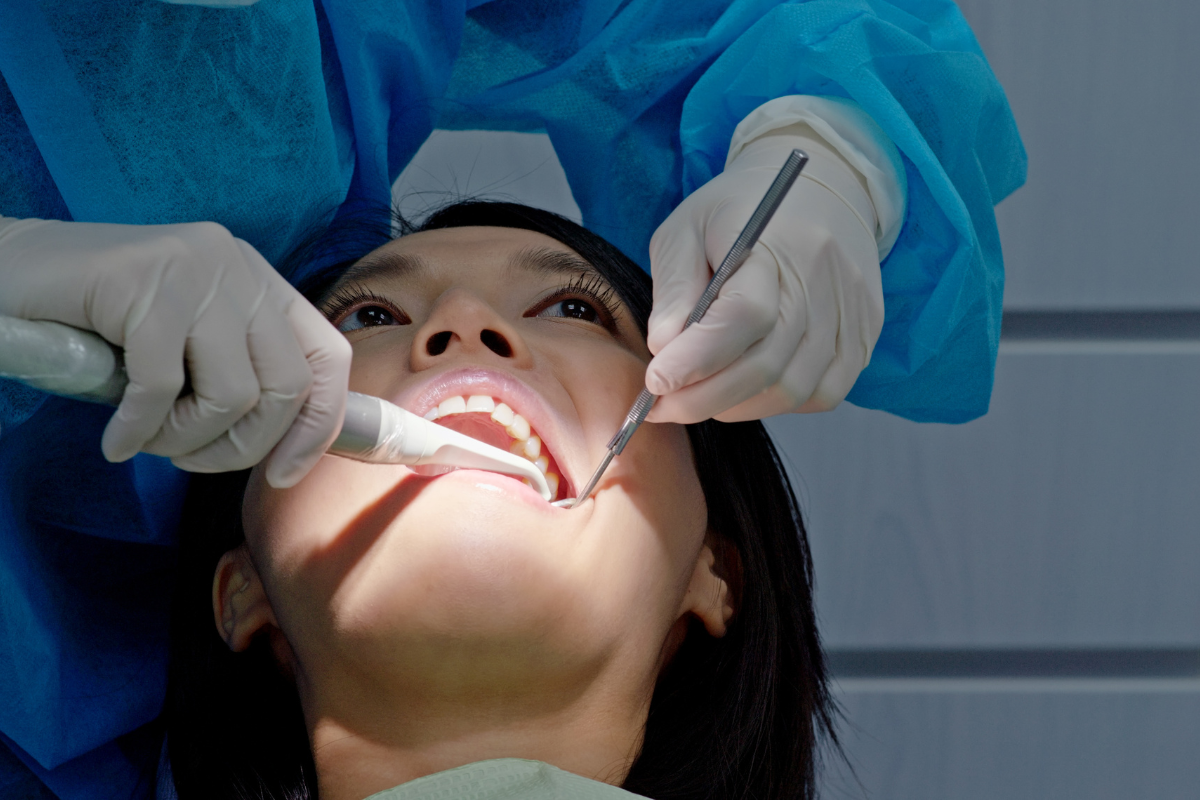
A routine dental visit is more than just a cleaning. Your dentist checks for:
- Early signs of tooth decay
- Gum disease in its early stages
- Oral cancer screenings
- Signs of teeth grinding or jaw issues
- Changes in existing dental work like fillings or crowns
These visits are your first line of defense. When you see a dentist in Duxbury on a regular schedule, small issues get caught before they turn into major ones.
What Happens When You Wait Too Long
Here is a realistic picture of how skipping checkups plays out over time.
A small cavity becomes a root canal
A cavity caught early takes about 30 minutes to fix and costs very little. Leave it untreated and the decay reaches the nerve. Now you need a root canal, a crown, and weeks of recovery. The cost difference is significant.
Gum disease becomes tooth loss
Gingivitis is reversible with a good cleaning and better home care. But when it progresses to periodontitis, the bone and tissue holding your teeth in place start to break down. Treatment becomes more complex, and tooth loss becomes a real possibility.
A cracked tooth becomes an extraction
A small crack caught early can often be repaired with a crown. Missed for too long, the crack deepens. The tooth may not be saveable.
Oral cancer goes undetected
Oral cancer has a high survival rate when caught early, but it is often caught late because people skip routine screenings. Your dentist checks for early signs at every visit.
The Local Picture: Why This Matters Here
Duxbury is a close-knit community on the South Shore of Massachusetts. Many families here are busy, and dental visits often fall low on the priority list. Between school schedules, work, and everything else that comes with living in a coastal town, it is easy to push appointments aside.
What makes this even more pressing is that many people in surrounding areas like Marshfield, Kingston, and Plymouth do not have a regular dentist. When they search for a dentist near me after a toothache starts, they often end up needing emergency care that could have been avoided entirely.
There are several dental offices across the South Shore. But having a trusted local provider who knows your dental history, your family, and your specific needs makes a real difference in the quality of care you receive. At Wiemeyer Dentistry, patients are seen as individuals, not just appointments.
How Much Can Delayed Treatment Really Cost?
Here is a rough comparison to put things in perspective:
| Situation | Early Treatment | Delayed Treatment |
| Small cavity | Filling ($150-$300) | Root canal + crown ($1,500-$2,500) |
| Gingivitis | Cleaning ($100-$200) | Periodontal therapy ($500-$4,000+) |
| Minor crack | Crown ($1,000-$1,500) | Extraction + implant ($3,000-$5,000+) |
These numbers vary based on insurance and individual cases, but the pattern is clear. Waiting costs more, not just financially but in time and discomfort.
What Regular Visits Look Like at a Good Practice
A good dental practice does not just clean your teeth and send you home. It keeps detailed records, tracks changes over time, and builds a real picture of your oral health.
When people look for a dentist near me, they often focus on location and hours. Those things matter. But consistency of care matters more. Seeing the same provider regularly means your dentist knows your history and can spot changes that a new provider might miss.
At Wiemeyer Dentistry in Duxbury, Massachusetts, the approach is built around preventive care. The goal is to help patients stay out of the dental chair for anything other than routine visits.
Simple Steps to Stay on Track
Getting back on a regular schedule is easier than most people think.
- Book your next appointment before you leave your current one
- Set a reminder on your phone six months out
- Keep your insurance information updated so there are no delays
- Tell your dentist about any changes in your health or medications
If it has been a while since your last visit, do not let that stop you from coming in. Every dentist understands that life gets busy. The important thing is getting back on track.
Finding the Right Dental Home
If you are searching for a dentist near me and you live anywhere on the South Shore, including Duxbury, Marshfield, Kingston, Pembroke, or Plymouth, Wiemeyer Dentistry is close by and accepting new patients.
There are other dental clinics in the surrounding areas, and having options is a good thing. What sets Wiemeyer Dentistry apart is the combination of personalized care, experienced staff, and a genuine focus on helping patients maintain long-term oral health rather than just treating problems as they arise.
Conclusion: Do Not Wait for Pain to Be Your Reminder
Dental problems rarely give warnings. By the time something hurts, the situation has usually moved from simple to complicated. The best thing you can do for your teeth, your budget, and your overall health is to stay consistent with your visits.
If you have been putting it off, now is a good time to change that. Schedule a consultation with Wiemeyer Dentistry and take the first step toward a healthier smile. Whether you are a long-time Duxbury resident or someone new to the area looking for a dependable dentist in Duxbury, our team is here to help you get back on track.
Your teeth are meant to last a lifetime. A little prevention goes a long way.
Frequently Asked Questions
- How often should I visit the dentist for a checkup?
Most adults should visit twice a year. Some people with a higher risk of gum disease or cavities may need to come in every three to four months. Your dentist will recommend what works best for you.
- What if I have dental anxiety and avoid going to the dentist?
Dental anxiety is very common. A good practice will take your concerns seriously and work at a pace that is comfortable for you. Let the front desk know when you book, so the team can prepare accordingly.
- Is it okay to skip a visit if I am not in any pain?
No. Most dental issues do not cause pain until they are already serious. Pain is a late signal, not an early one. Regular visits catch problems before they reach that stage.
- What does a routine dental visit include?
A routine visit typically includes a professional cleaning, a full examination of your teeth and gums, X-rays (usually once a year), and an oral cancer screening. Your dentist may also check your jaw and bite.
- How long can I go without a dental visit before it causes real damage?
This varies from person to person. Some people can go a couple of years without visible issues, but damage can still be building below the surface. The longer you wait, the more likely a small issue has turned into something bigger.
- Does dental insurance cover routine checkups?
Most dental insurance plans cover two routine visits per year at little or no cost. Even without insurance, preventive care is far less expensive than restorative treatment down the line.
- What if I have not been to a dentist in several years?
Come in anyway. Dentists are not there to judge you. They are there to help. Your first visit after a long gap will likely include a thorough exam and X-rays to assess where things stand, and then you will build a plan from there.
- Can poor oral health affect the rest of my body?
Yes. Research has linked gum disease to heart disease, diabetes complications, and other systemic conditions. Your mouth is connected to everything else, and keeping it healthy supports your overall health.
