
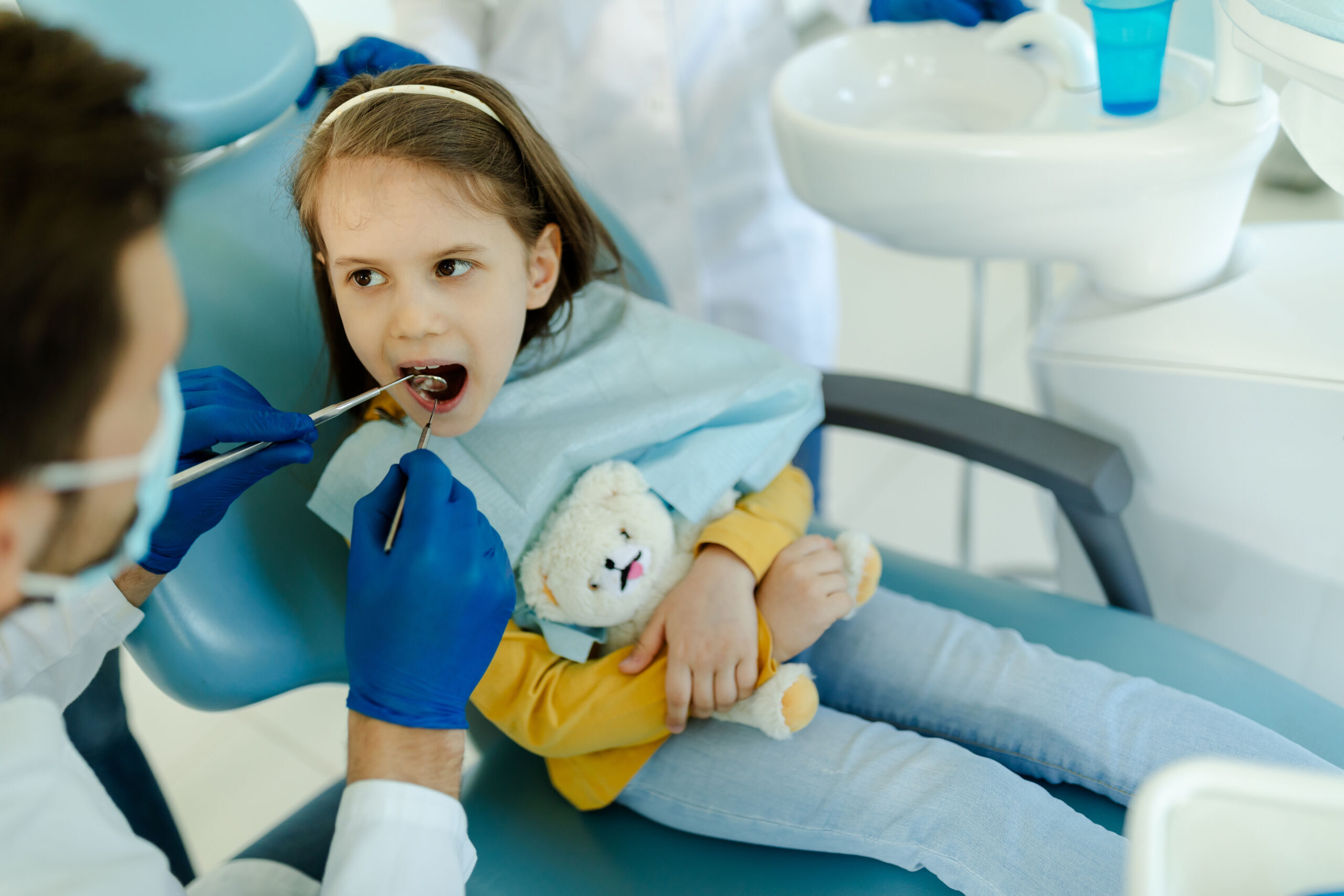
How to Make Kids Less Afraid of the Dentist: A Parent’s Practical Guide
Does your child cry, hide, or beg to stay home on dental appointment days? You are not alone. Dental fear in children is one of the most common concerns parents bring up when they walk through our door at Wiemeyer Dentistry. As a trusted Dentist in Duxbury, we have seen how a little preparation at home can completely change how a child feels about dental visits.
This guide gives you clear, real-world steps you can use before, during, and after every dental appointment. No complicated methods. Just simple ideas that work.
Why Kids Feel Afraid of the Dentist
Fear of the dentist usually starts early. For most children, it comes down to a few basic things: the unfamiliar sounds of dental tools, the feeling of someone working inside their mouth, or hearing a scary story from another child at school. Some kids have also had a past experience that felt uncomfortable, even if it was minor.
The good news is that most of this fear can be eased before it ever gets serious. How parents talk about dental visits at home matters more than most people realize. Children pick up on adult anxiety, so staying calm and matter-of-fact around the topic helps a great deal.
Children who visit the dentist regularly from an early age are far less likely to develop lasting dental anxiety compared to those whose first visit happens because of pain or an emergency.
Start Early and Make It Normal
Dental care should feel like a regular part of life, not a big event. The American Academy of Pediatric Dentistry recommends that children see a dentist by age one, or within six months of getting their first tooth. Starting young helps children grow up seeing dental visits as a routine thing, like a haircut or a check-up with their pediatrician.
Here in Duxbury and the surrounding South Shore area, families often delay dental visits until a problem shows up. Try to avoid that pattern. Early visits are short, simple, and low-pressure. They let your child get used to the environment before anything complex is ever needed.
How to Talk About the Dentist at Home
Use Positive, Simple Language
The words you choose matter. Avoid saying things like “it won’t hurt” because that plants the idea of pain before your child has even thought of it. Instead, say things like, “The dentist is going to count your teeth and make sure they are strong.” Keep it simple and positive without making big promises.
Read Books and Watch Short Videos Together
There are many children’s books and age-appropriate videos about going to the dentist. These help children know what to expect in a fun way. When a child knows what a dental chair does, or why the dentist uses a small mirror, the experience feels less surprising.
Play Pretend Dentist
Let your child play dentist at home. Give them a toothbrush and a stuffed animal to “examine.” Take turns being the patient. This kind of play helps children feel in control and builds comfort with the idea of opening their mouth and having it checked.
Quick Tips Before the Appointment
- Schedule the visit in the morning when children are rested and less cranky.
- Avoid bribing with candy or sweet treats, as it sends a mixed message about dental health.
- Bring a comfort object like a small toy or a favorite blanket if your child needs it.
- Tell your child what will happen step by step, without going into too much detail.
- Stay calm yourself. Children often mirror their parent’s emotions.
What to Expect During a Child’s Dental Visit
At a good pediatric-friendly dental practice, the team takes time to help children feel welcome. At Wiemeyer Dentistry, we work at a comfortable pace with young patients. We explain what we are doing in plain terms, let children see the tools before using them, and never rush through an exam.
A typical first visit for a young child includes a gentle look at the teeth and gums, a simple cleaning, and a fluoride treatment if needed. The whole appointment is usually short, around 30 to 45 minutes. The goal is to make it a good experience so the child looks forward to coming back.
Finding the Right Dental Office Makes a Big Difference
Not all dental offices feel the same to a child. A welcoming waiting area, a kind front desk team, and a dentist who takes time to connect with young patients can completely change the experience. When parents search for a dentist near me who is good with kids, it is worth calling ahead to ask how the practice handles nervous children before booking.
Local families in Duxbury and the South Shore have trusted Wiemeyer Dentistry for this exact reason. We treat every child as an individual, not just a patient on a schedule. Our team understands that a good first experience shapes how a child feels about dental health for the rest of their life.
When Fear Becomes More Than Just Nervousness
Some children have more intense anxiety that goes beyond normal nerves. If your child has strong physical reactions like vomiting before appointments, refuses to open their mouth at all, or has a history of a traumatic dental experience, it is worth talking to the dentist directly about this before the visit.
There are safe options available for anxious children, including nitrous oxide (laughing gas), which is gentle and wears off quickly. A caring Dentist in Duxbury will talk through these options with you openly, so you can make a decision that works for your child. There is no shame in asking.
After the Visit: Keep the Momentum Going
What happens after the appointment matters just as much as what happens before it. Celebrate the visit, no matter how it went. A simple “I’m proud of you” goes a long way. Avoid making a big deal of any tears or fuss during the visit when you talk about it later. Instead, focus on what went well.
Keep a simple routine at home with regular brushing and flossing. When dental hygiene is part of the daily routine, children see dental visits as a natural extension of that care rather than something unusual.
Building a Long-Term Relationship with Your Child’s Dentist
A dental home is not just a place you go when something is wrong. It is a consistent, familiar place where the dentist knows your child and can track how their teeth are developing over time. When a child sees the same team every six months, the faces become familiar, the routine becomes comfortable, and fear slowly fades.
Families who have been coming to Wiemeyer Dentistry as their go-to Dentist in Duxbury often share that their children start asking when they get to come back. That is the kind of relationship we work toward with every young patient we meet.
Frequently Asked Questions
1. At what age should my child first visit the dentist?
The American Academy of Pediatric Dentistry recommends a first dental visit by age one, or within six months of the first tooth coming in. Starting early helps your child get used to the experience before any real dental work is ever needed.
2. What should I say to my child before a dental appointment?
Keep it simple and positive. Tell them the dentist will look at their teeth and make sure they are healthy. Avoid using words like “hurt,” “needle,” or “shot.” A calm, matter-of-fact tone helps more than over-reassuring your child.
3. Is it normal for kids to cry at the dentist?
Yes, it is very common, especially for younger children or those who are new to dental visits. Most children settle down once the visit begins and they realize nothing uncomfortable is happening. Experienced dental teams are well prepared for this.
4. What is nitrous oxide and is it safe for children?
Nitrous oxide, often called laughing gas, is a mild sedative that helps anxious children relax during dental procedures. It is very safe, works quickly, and wears off within minutes after the mask is removed. It is one of the most commonly used options for children with dental anxiety.
5. How often should my child see the dentist?
Most children benefit from a dental visit every six months. This schedule allows the dentist to catch any developing issues early and helps your child stay comfortable with regular visits.
6. How do I help a child who had a bad dental experience in the past?
Talk to the dental team before the appointment and explain what happened. A good dental office will adjust their approach, take extra time, and let the child set the pace. Choosing a practice experienced with anxious children makes a big difference.
7. What can I do at home to reduce dental anxiety between visits?
Make brushing and flossing a positive daily habit rather than a chore. Read children’s books about dental visits, play pretend dentist, and speak about the dentist in a calm, normal way. The more routine dental care feels at home, the less scary the actual visit will be.
8. Does diet affect my child’s dental health and anxiety?
A diet low in sugary drinks and snacks reduces the chance of cavities, which means fewer complex procedures and a lower chance of your child having an uncomfortable dental experience. Fewer problems at the dentist means less reason to be afraid.
A Final Word for Parents
Helping your child feel comfortable at the dentist is something you can start working on today, right at home. The steps are not complicated. Speak calmly about dental visits, start early, pick the right dental team, and stay consistent. Over time, even the most nervous child can learn to feel safe in the dental chair.
If you are looking for a trusted dentist near me who truly takes the time with children and anxious young patients, we would be glad to hear from you. You can schedule a consultation with Wiemeyer Dentistry to get started, and we will make sure your child feels welcome from the moment they walk in. As a family-friendly Dentist in Duxbury, our goal is simple: to make dental visits something your child does not dread. Contact our Wiemeyer Dentistry office today, and let us take the first step together toward a lifetime of healthy smiles.
